← Work

Cooper Hewitt Museum

Interactive museum experience

Role
UX designer, Cooper Hewitt digital team
Focus
Interaction, prototyping, information design
Collaborators
Local Projects, Diller Scofidio + Renfro, GE + more
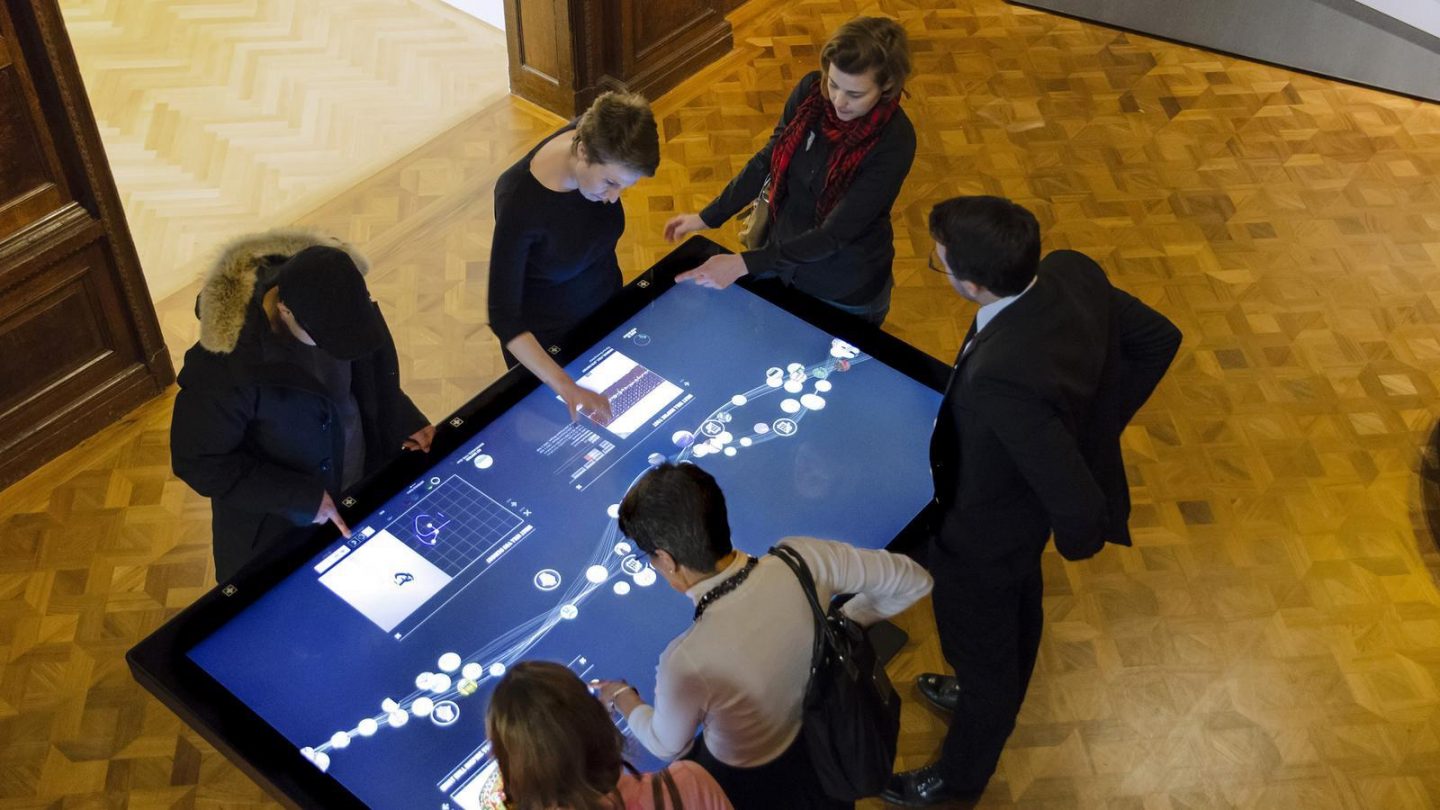
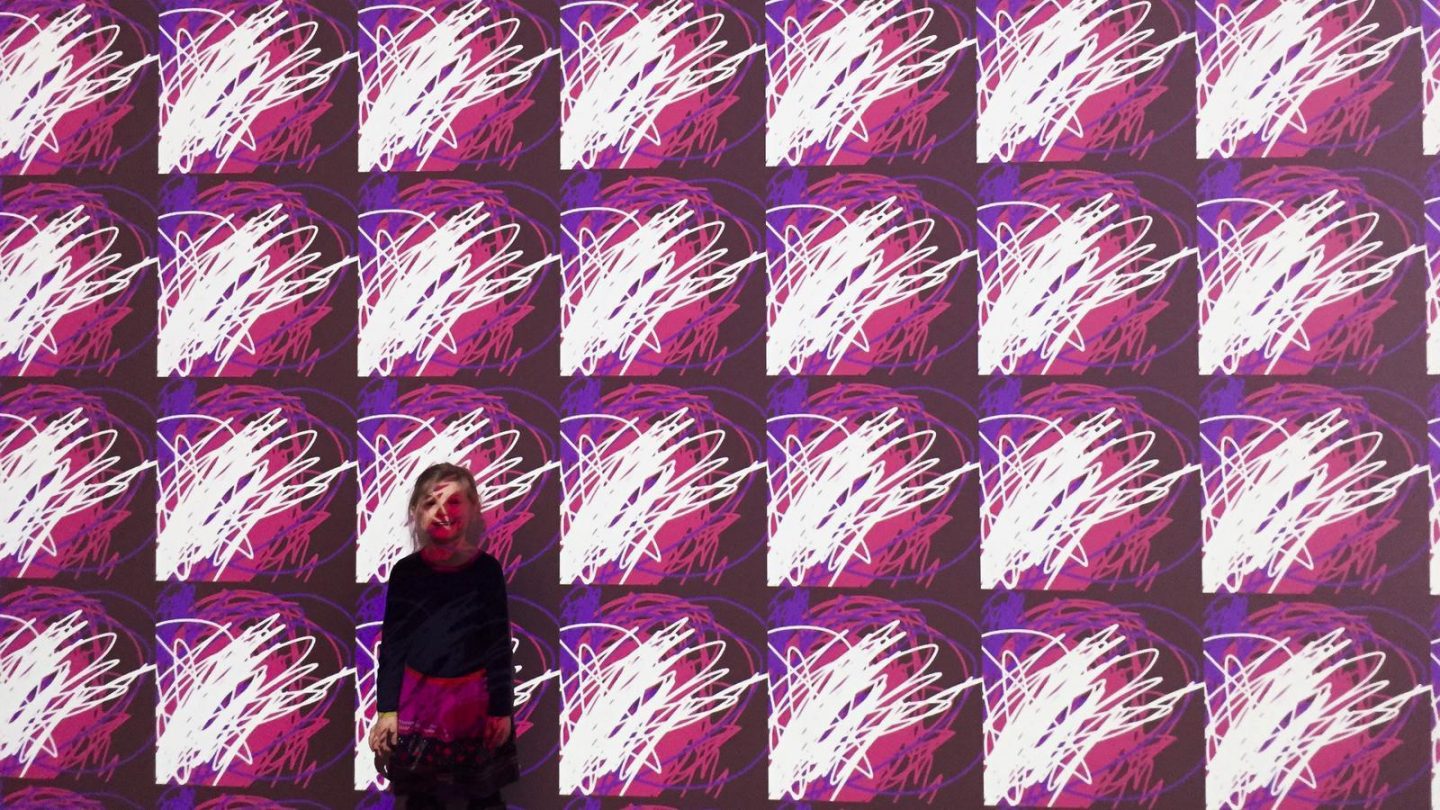
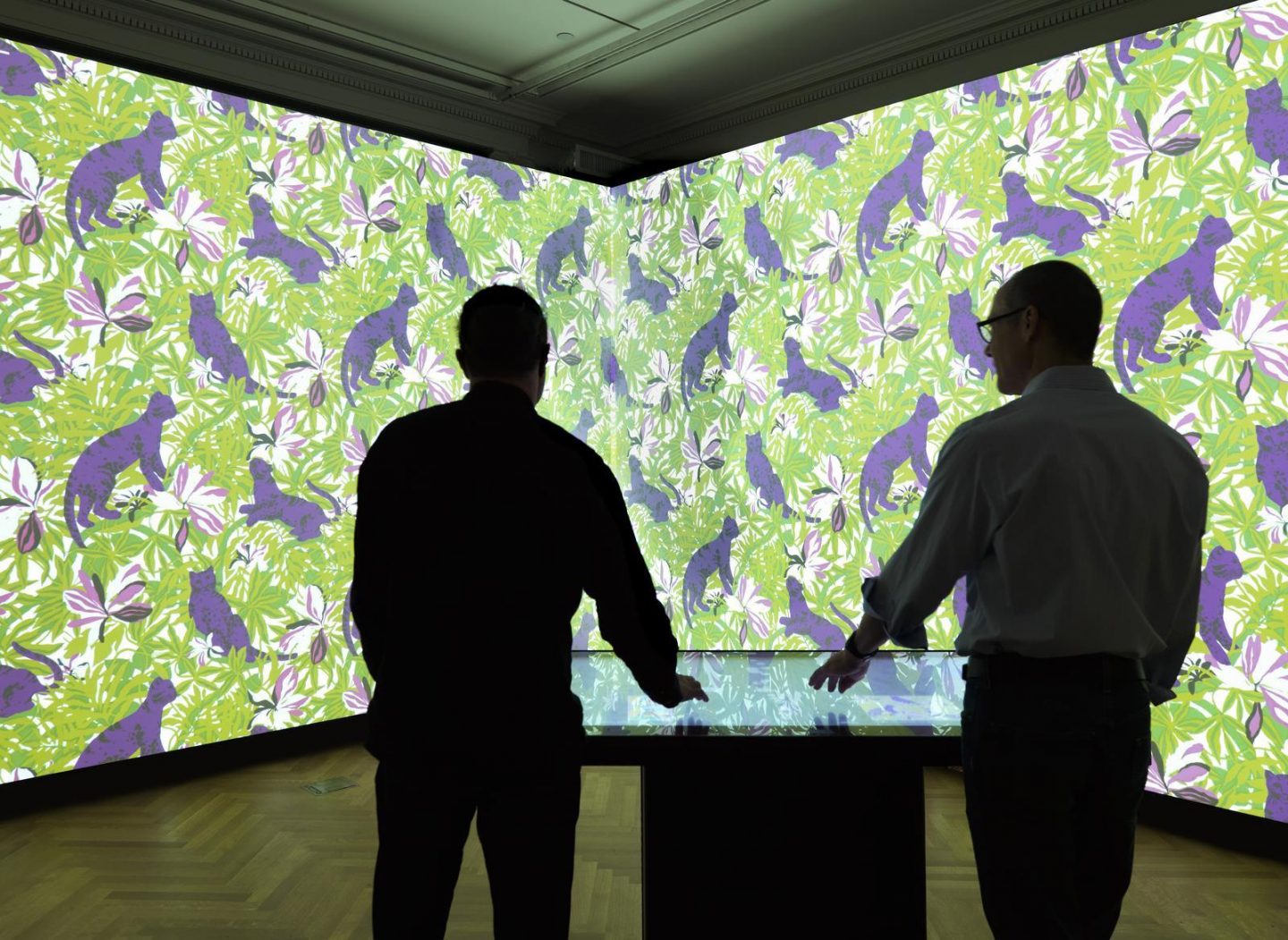
Visitors use an interactive table to project a wallpaper pattern across Cooper Hewitt’s Immersion Room

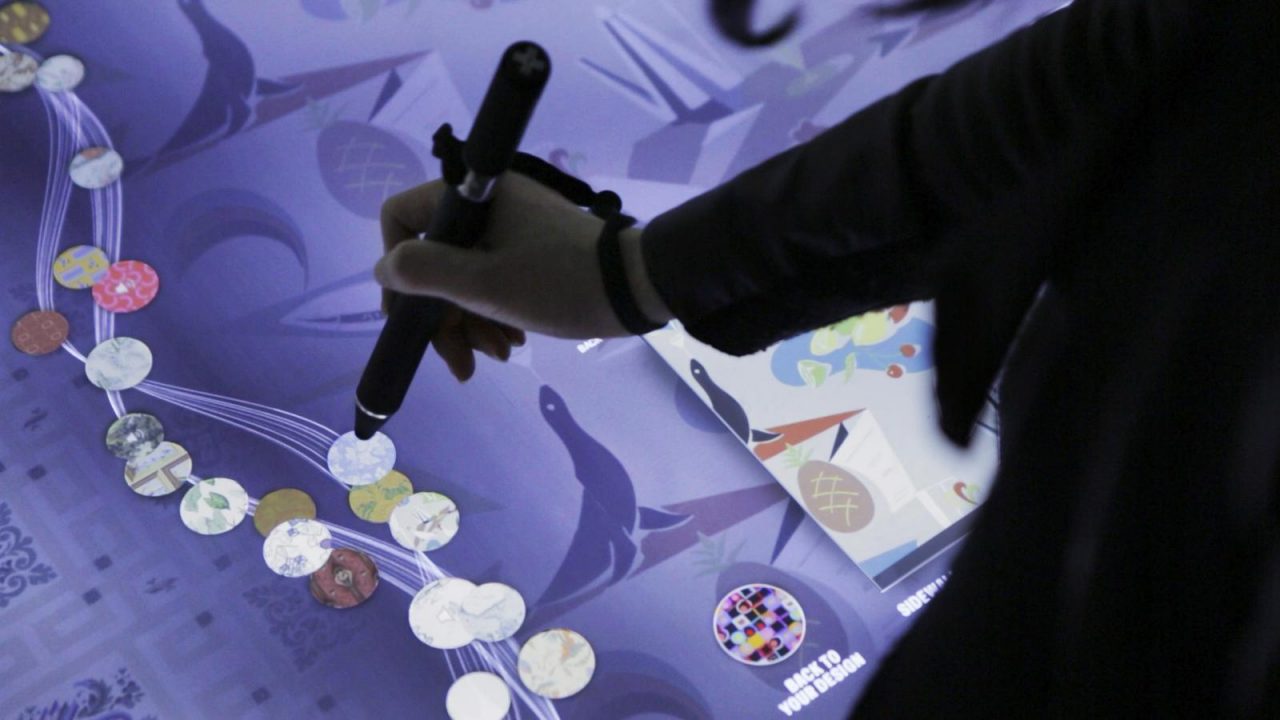
Give every visitor an interactive Pen

Cooper Hewitt’s three-year transformation brought together renowned design firms. Local Projects and Diller Scofidio + Renfro conceived the connected Pen; Pentagram created the identity; GE helped engineer the hardware; and an international team turned the historic Carnegie mansion into a place where visitors could learn about design by designing.

Visitors would use the Pen to collect objects, create designs on giant interactive tables, and continue exploring their personal collection at home. I worked inside Cooper Hewitt’s digital team, pulling together physical and digital interactions into one coherent visitor journey.
Prototyping before opening + iterative co-creation after opening

  • 01
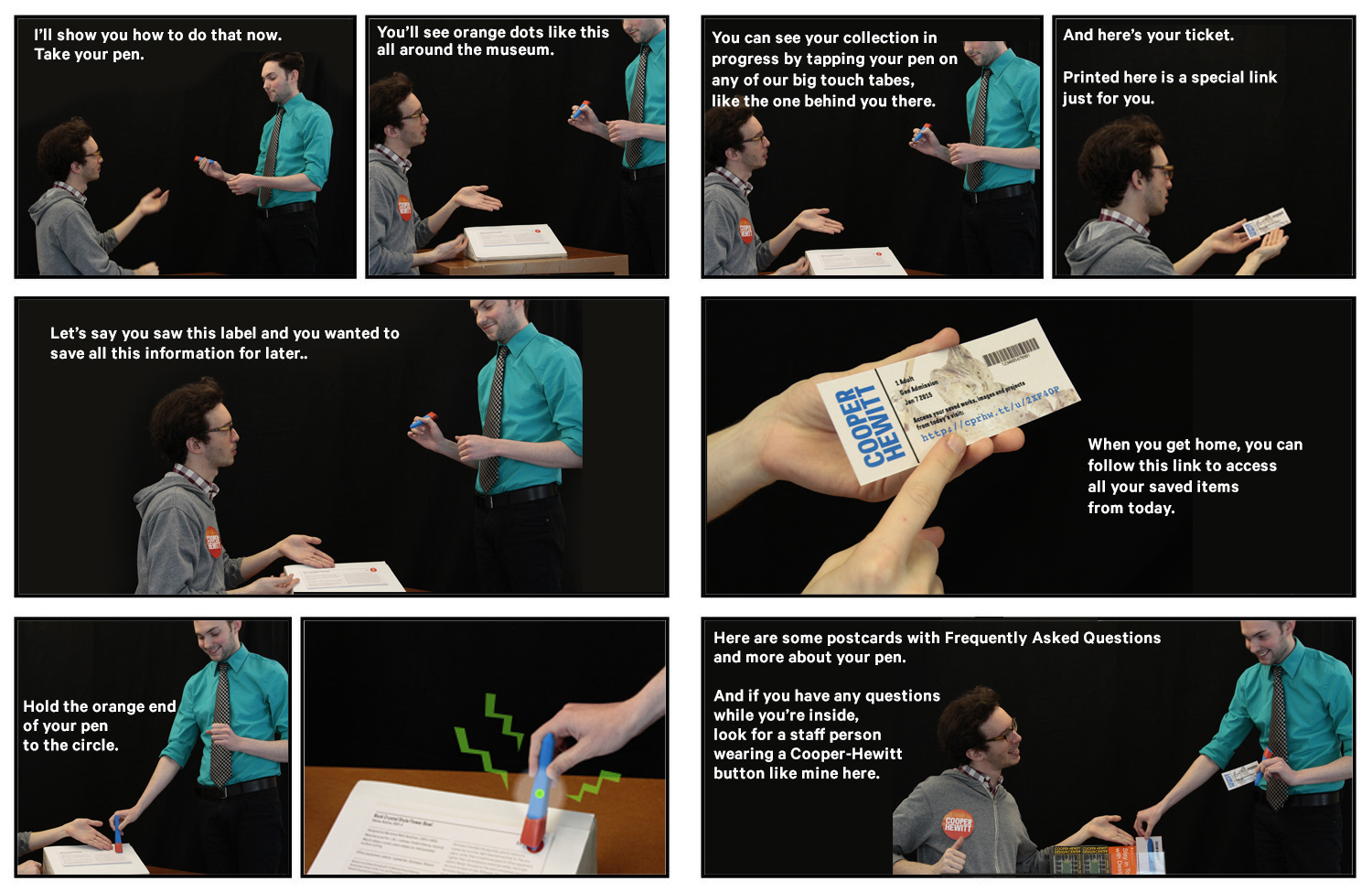
    Video and storyboard prototypes
    Early in the process, I made a design fiction film that let curators, security staff, technologists and external partners (each working on their own piece of the project) see the proposed experience through one visitor’s eyes. The prototype became a socialization tool across the museum and informed later design sprints with GE and Sistelnetworks. Cooper Hewitt’s own project archive records that contribution by name ↗
  • 02
    Build a coherent physical/digital experience
    I explored how people would collect objects from labels, understand the Pen’s feedback and move between galleries and large touch tables. We also designed a museum API and post-visit experience that would allow visitors to continue working with museum content even after their visit. Here we tipped our hat to the museum’s original 1900s mandate as a study center for American craftsmen.
  • 03
    Improve problematic touchpoints as a team
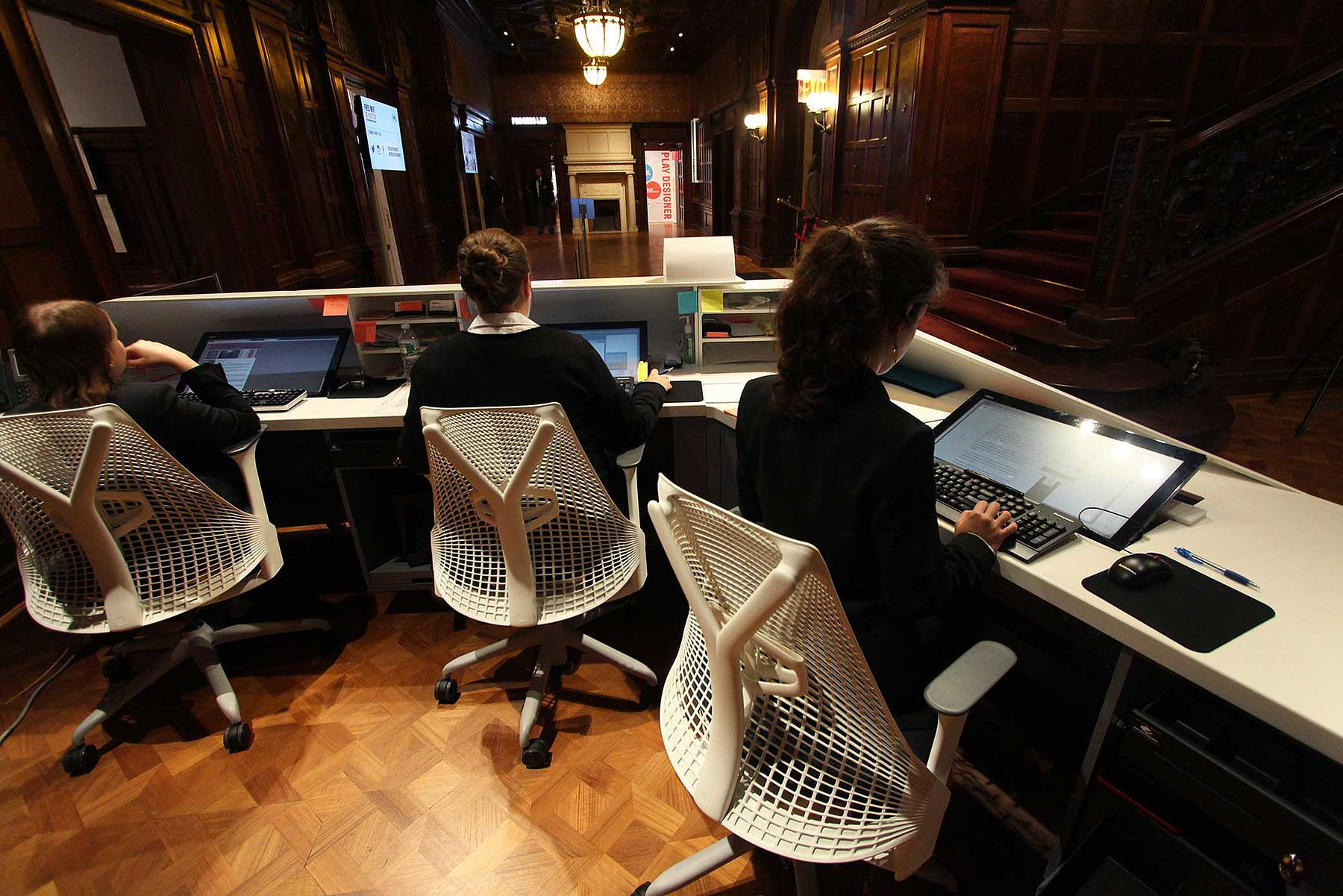
    Long wait times at the front desk were a key pain point in the visitor experience after we re-opened. I worked directly with visitor-facing staff to optimize the tablet UI they used to issue a fresh Pen to each visitor. We also worked on their script to explain the Pen clearly and concisely.
I created this internal experience prototype to show the visit before we had working hardware prototypes. It helped the museum align around a vision for the experience and informed many downstream decisions.
Storyboard showing the proposed front-desk introduction to the Pen and the visitor’s post-visit collection
Before re-opening, I created this storyboard to prototype the front-desk digital/physical interaction.
Cooper Hewitt front-desk staff working with custom software and Pen hardware
I co-created improvements with the front desk staff who greeted hundreds of guests per hour, setting the tone for the experience.
Before
After
I redesigned the Pen config UI for partial attention, because our staff needed to configure the Pen correctly while keeping up friendly banter.

“Katie’s work was always heavily user-oriented and deservedly won much praise in the museum community, but more importantly resonated with audiences.”

— Seb Chan ↗, then Director of Digital & Emerging Media at Cooper Hewitt; now Director & CEO of the Australian Centre for the Moving Image (ACMI)

Result

“The museum of the future is here”

Film and finished-work imagery by Local Projects.

The final experience connected the galleries, interactive tables, a collections API and the web.

The Atlantic’s glowing review captured the scale of our team's success ↗. The experience we built “does something magical” that “countless companies, organizations, archives, and libraries are trying to do: It bridges the digital and the physical.”

Thirty percent of visitors logged in again after their visit (that's considered very high, and a win for the museum's educational mission). Our team won a Core77 Interaction Design Award and a D&AD Graphite Pencil.